What is evergreen content, and why is it useful?
Last updated: October 2026
Do you ever feel caught up in the constant need to create new content?
Sometimes it can feel like there’s always something else you should write, a social media post to share or more ideas you could turn into a blog post. And it can feel like you’re constantly creating new content just to stay on top of everything.
But what if you didn’t need to?
Not everything has to be new. Some content can stay useful for months or even years, giving you something to keep sharing with the people who need it.
It’s called evergreen content.
Evergreen content is content that stays useful and relevant over a long period of time. It’s not tied to a date, event or trend, which means people can still find value in it long after you publish it.
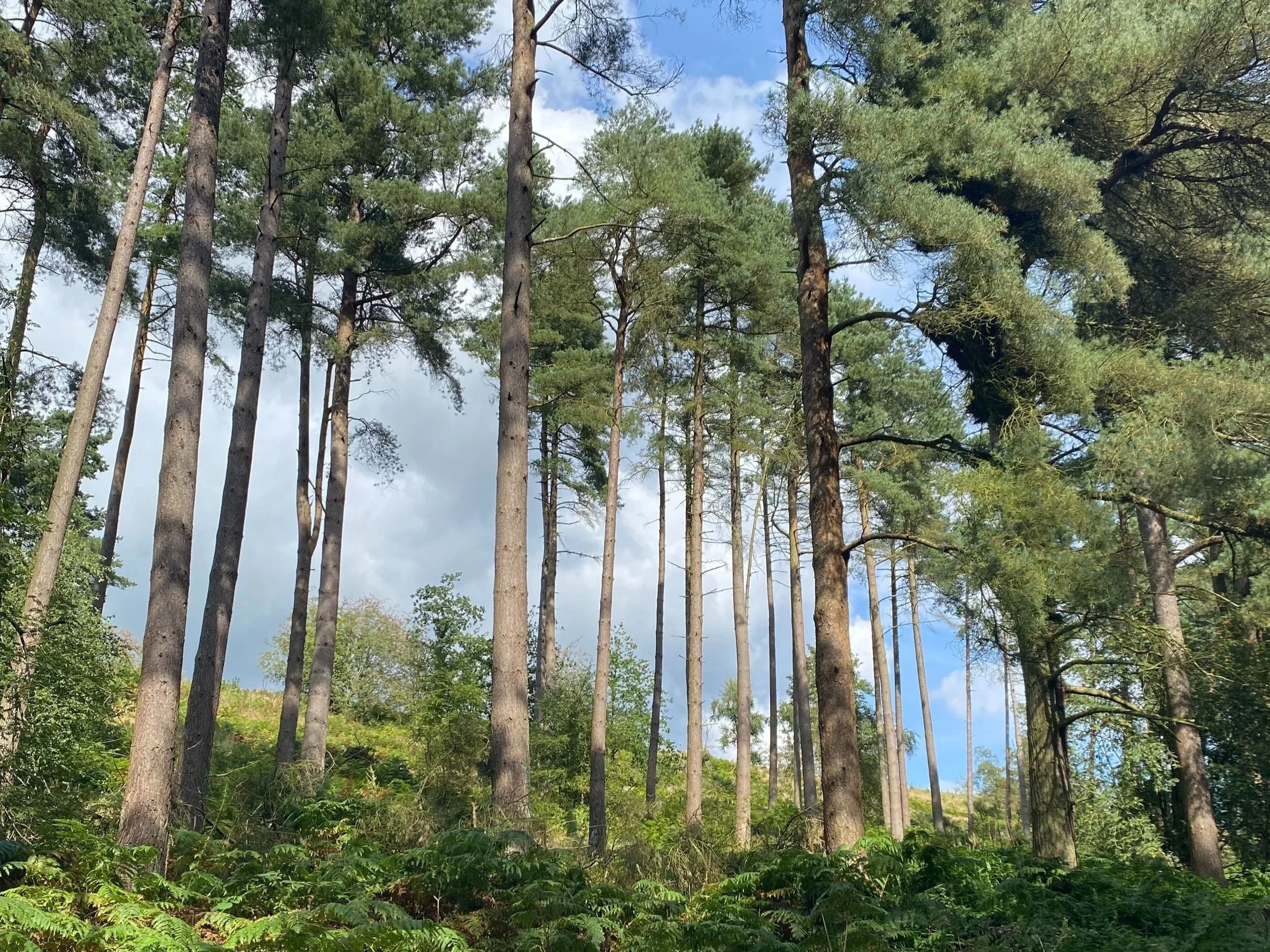
And, in case you were wondering, the name comes from evergreen trees that keep their green leaves all year round.
What makes content evergreen?
Evergreen content answers a question or provides information that people are likely to keep needing beyond the publication date.
For example, a post about how to clean your walking boots could stay useful for years because people will continue needing to know how to clean walking boots. A guide about preparing for a specific walking route could also stay useful, although some of the fine details might need updating over time.
The important thing is that the underlying need hasn’t gone away.
Evergreen content is usually:
Useful over a longer period of time
It isn’t only relevant on the day you publish itNot dependent on a specific date or event
Its usefulness doesn’t disappear after the date has passedBased on an ongoing question or problem
It’s something people are likely to keep looking for help withAble to be updated when needed
The topic can stay relevant, even if some of the information changes
That last point is worth remembering.
Evergreen doesn’t mean you can publish something once and forget about it forever. Things change. Products are updated, links stop working, recommendations become outdated and the advice we give can evolve.
I’ve got evergreen blog posts on my own website that have gone out of date because the world around them has changed. But the general ideas are still useful, which means updating them takes less work than creating something completely new from scratch. That’s why you’ll often see “Last updated: [date]” at the top of many of my blog posts.
And that’s one of the reasons evergreen content can be so useful. You’ve already done some of the thinking, so you don’t always need to start again.
Evergreen content vs social media
One of the useful things about evergreen content is that it gives you something with a longer shelf life than much of the content you share on social media.
Social media is naturally more transient. You might share something today and it can quickly disappear down someone’s feed as new posts appear.
That doesn’t make social media a bad place to share content. It can be a useful way to connect with people, start conversations, show what you’re doing and point people towards useful information on your website.
Evergreen content works differently.
Because it’s not tied to a specific time or event, you can keep sharing it. You can link to it from another blog post, include it in an email or even share it on social media from time to time. In other words, evergreen content and social media aren’t competing with each other.
Social media helps you share what’s happening now. Evergreen content gives you something useful to keep coming back to.
Evergreen content isn’t just blog posts
Although I’m talking about evergreen content in the context of your website, it doesn’t always have to be a blog post.
Evergreen content can be lots of different things - the best thing to create will depend on what your customers need and what makes sense for your business.
It could be:
a how-to guide
a checklist
a glossary to explain terms your customers might not understand
a frequently asked questions page
a case study
a downloadable guide or resource
a video or piece of educational content
The format isn’t really the important bit. What matters more is whether the content continues to answer a question, solve a problem or give people information they can use over time.
So, before you decide you need to write another blog post, it’s worth asking: what useful information do my customers need, and what’s the best way to give it to them?
What’s not evergreen?
Not everything is meant to be evergreen, and that’s okay.
Content is less likely to be classed as evergreen when its usefulness depends on something being current or likely to change quickly.
That could include:
Breaking news
Seasonal information
Current statistics
Fashion trends
Details about new tech
I’m not saying this type of content isn’t worth creating. If it’s useful or relevant to your audience, there can be a very good reason to publish it.
It just has a different job.
A post about this year’s industry trends might be useful right now, but it probably won’t have the same shelf life as a guide that answers a question people will still be asking in five years. So, it’s really about understanding what you’re creating and why, and recognising that different types of content have different purposes.
How to create evergreen content
If you want to create evergreen content for your business, start with what your customers need to know.
What do people often ask you to explain?
What do they need to understand before they can make a decision?
What information could you give them that would still be useful next year?
Your own experience is often a good place to start. You don’t necessarily need to spend hours researching what people are searching for - you probably already know the questions that come up again and again in your business.
Before you start creating something, think about whether it’s a topic that’s likely to have longevity.
Ask yourself:
Is this answering a question people are likely to keep asking?
Is it solving a problem that isn’t going away any time soon?
Is the information likely to remain relevant?
If things change, could I update the content rather than having to start again?
Don’t worry, you don’t need to predict exactly what people will be searching for in five years. You just need to think about whether the underlying need is likely to stick around.
Evergreen content can take the pressure off
Creating useful content doesn’t always mean coming up with something new.
Sometimes, the best thing you can do is answer a question your customers are likely to keep asking or create a resource you can come back to and update over time. And that’s the real benefit of evergreen content.
You’re creating something with a longer shelf life. Something that can continue to be useful rather than disappearing as soon as the next post comes along.
So, before you start thinking about what you need to publish next, take a look at what your customers need to know. You might find there’s a useful piece of content waiting to be created, or even something you’ve already published that could be updated or given a new lease of life.
Need help working out what content your business needs?
Honestly, you don’t need to keep creating content just for the sake of having something new to publish.
I can help you work out what your customers need to know, what’s worth creating and what format would be helpful - whether that’s on your website, in a blog post, in a guide or somewhere else.
You may find these helpful next:
How to repurpose your blog content